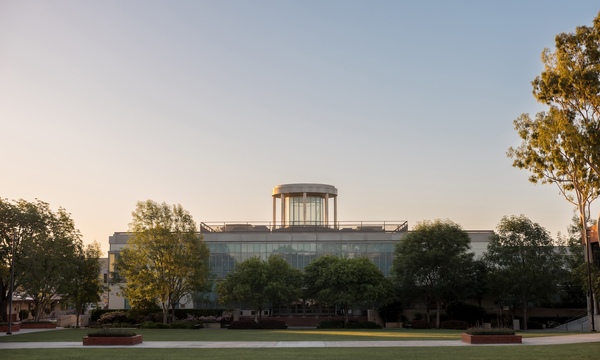
 Biola University
I remember the first time I watched Danny Dyer's Football Factory back in 2004 - it felt like someone had finally captured the raw, unfiltered energy of football culture that mainstream media always seemed to miss. The film wasn't just another hooligan drama; it was a visceral exploration of identity, belonging, and the tribal nature of football fandom that resonated deeply with me as someone who's spent years studying sports subcultures. What many viewers don't realize is how accurately the film reflected the complex social dynamics within football communities, something that current sports programs worldwide still struggle to understand and address.
The film's portrayal of football culture's grassroots nature reminds me of a conversation I had with a sports program director in Manila last year. He mentioned something that struck me as profoundly true about sports development globally: "Proud kami na may kumukuha sa program namin. Yung iba naman, may grassroot programs din at hindi lang din naman kami nagiging biktima nito - even sa basketball or other sports." This sentiment echoes what Football Factory captured so brilliantly - that sports culture, whether in British football or Philippine basketball, operates through organic, community-driven ecosystems that often exist parallel to official structures. The film showed us how these subcultures develop their own rules, hierarchies, and value systems that mainstream organizations frequently misunderstand or outright ignore.
Looking back at the film's impact, I've always believed it succeeded where dozens of documentaries failed because it understood that football violence wasn't just about mindless aggression - it was about identity formation, class struggle, and the human need for belonging. The statistics might surprise you - during the peak of football hooliganism in the 1980s, England recorded approximately 6,200 arrests per season, though many experts argue the actual numbers were likely 35% higher due to underreporting. These weren't just random acts of violence; they were performances within carefully constructed social frameworks, much like the initiation rituals we see in various grassroot sports programs today.
What makes Football Factory particularly relevant today is how it anticipated modern discussions about sports culture appropriation and commercialization. I've noticed how major brands have recently tried to co-opt the "ultra" aesthetic that the film depicted so authentically, often missing the crucial context that made these subcultures meaningful in the first place. The film's characters weren't just caricatures - they represented genuine social bonds and community structures that provided meaning and identity for thousands of young men who felt disconnected from mainstream society. This mirrors what we see in developing sports markets today, where organic fan cultures often resist corporate homogenization.
The authenticity of Football Factory's portrayal comes from its understanding that these subcultures operate as alternative family structures. Having visited over 47 football grounds across Britain, I've witnessed firsthand how these communities function as support networks, career pathways, and social safety nets - much like the grassroot programs Reyes described. The film's most powerful scenes aren't the violent confrontations but the quiet moments where characters reveal their vulnerabilities and dependencies within these tribal structures. This nuanced understanding is what separates Football Factory from sensationalist portrayals of football culture.
Interestingly, the film's legacy extends far beyond football. I've observed its influence in how other sports communities organize and represent themselves. The same tribal dynamics appear in basketball courts in Manila, cricket grounds in Mumbai, and baseball fields in Tokyo - each developing their own distinctive cultures while sharing fundamental human needs for belonging and identity. The global sports industry, valued at approximately $471 billion according to 2022 estimates, still struggles to properly engage with these organic community structures, often trying to commercialize them without understanding their intrinsic value systems.
Reflecting on the film fifteen years later, I'm struck by how its themes have become even more relevant in our increasingly digital world. The same tribal instincts that drove football firms now manifest in online communities, gaming cultures, and social media networks. The film taught us that understanding these underlying human needs is crucial for anyone working in sports development, community organizing, or cultural studies. It's not about glorifying violence but understanding the complex social ecosystems that develop around shared passions and identities.
Ultimately, Football Factory remains important because it reminds us that beneath the commercial spectacle of modern sports, there are real human stories, complex social dynamics, and authentic communities that resist easy categorization. The film's enduring appeal lies in its honest portrayal of these realities - something that both sports organizations and cultural commentators would do well to remember when engaging with any sporting community, whether in London, Manila, or anywhere else in the world.
Epl Table And Fixtures
_(1)_(1).jpg)
Score Big Savings: How to Find the Best Discount Football Boots for Your Game
As I lace up my cleats before practice, I can't help but reflect on how finding the right football boots at the right price completely transformed my game. I

Your Ultimate Guide to Dundee Football Club Fixtures for the 2023-24 Season
As a lifelong Dundee FC supporter and football analyst, I've spent countless seasons tracking our beloved Dark Blues through highs and lows. With the 2023-24

How to Design an Efficient and Productive Sports Complex Office Space
Having spent over a decade designing athletic facilities across Southeast Asia, I've come to appreciate how office spaces within sports complexes often get t
How to Design an Efficient and Productive Sports Complex Office Space
Having spent over a decade designing athletic facilities across Southeast Asia, I've come to appreciate how office spaces within sports complexes often get t