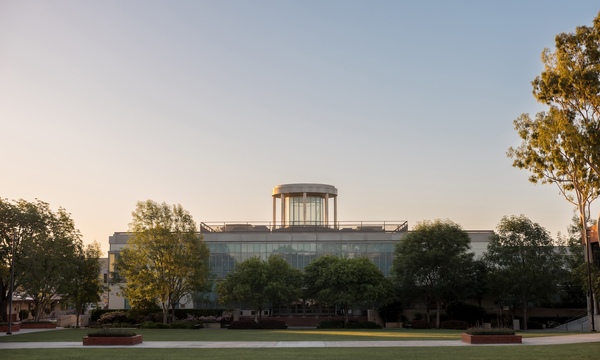
 Biola University
Walking onto the Cloverleaf Basketball Court for the first time, I was struck by how thoughtfully designed it was—not just another polished hardwood floor, but a space that genuinely considers the player’s experience. As someone who’s played and coached at various levels, I’ve come to appreciate courts that balance professional features with accessibility, and Cloverleaf does exactly that. It’s no surprise that venues like this often host events like the PBA Draft Combine, where rising talents face off in high-stakes environments. Just the other day, I was reminded of a comment from PBA veteran Chiu during the Combine: “We know naman na this position is kind of tough. You play against imports and you are playing [against] one of the best players in the PBA.” That statement captures the intensity players feel, whether they’re on a professional stage or a local court like Cloverleaf. And honestly, it’s that kind of competitive spirit that makes a court more than just a place to shoot hoops—it becomes a training ground for resilience.
One of the standout features here is the court surface. Made from high-grade maple hardwood with a shock-absorbent underlay, it reduces impact stress on joints by up to 30% compared to synthetic alternatives. I’ve played on my fair share of courts, and let me tell you, the difference is noticeable after a full game. Your knees and ankles thank you later. The Cloverleaf court also features FIBA-approved markings and flexible three-point lines, which can be adjusted for different leagues or age groups. I love this flexibility because it means the court can host everything from youth clinics to semi-pro tournaments without missing a beat. And let’s not forget the lighting—LED fixtures positioned to minimize glare, offering 250 lux uniformly across the playing area. Trust me, there’s nothing worse than losing sight of the ball under poor lighting during a fast break.
But what good are features without knowing how to make the most of them? Over the years, I’ve picked up a few playing tips that align perfectly with a court like Cloverleaf. First, use the space intelligently. The key here is spacing—something pros emphasize, especially when facing taller or stronger opponents, much like Chiu highlighted. If you’re matched up against someone dominant in the paint, don’t force drives; instead, use the perimeter. The clear sightlines and well-marked zones at Cloverleaf make it easier to execute pick-and-rolls or kick-out passes. I’ve found that practicing situational awareness here translates well to competitive settings. Another tip: work on your conditioning. The court’s consistent bounce and traction allow for explosive movements, but they demand stamina. In my experience, players who incorporate interval drills—sprints followed by shooting sequences—see a 15–20% improvement in their in-game efficiency.
Of course, a court is only as good as the community it builds. Cloverleaf often hosts leagues that draw around 120 regular participants per season, fostering a mix of amateur and seasoned players. I’ve met folks here who started as casual players and now compete in regional tournaments. That’s the beauty of a well-maintained court—it elevates everyone’s game. And it’s not just about offense; defensive drills on a court like this can sharpen your instincts. I always advise younger players to focus on footwork and close-outs, using the court’s reliable surface to practice sliding and pivoting. It might not sound glamorous, but it’s what separates decent defenders from lockdown ones.
Now, let’s talk about shooting. The rims at Cloverleaf are regulation steel with double-breakaway mechanisms, which means they’ve got that perfect balance of stiffness and give. I prefer this over overly forgiving rims because it forces you to develop proper arc and follow-through. When I’m coaching, I often have players take 500 shots weekly from different spots—corners, wings, top of the key—to build muscle memory. And here’s a personal preference: I love using the early mornings at Cloverleaf for solo workouts. The quiet hours let you focus on form without distractions, something that’s harder to find in crowded public courts. Plus, the maintenance crew does an excellent job keeping the floor dust-free, which honestly makes dribbling drills so much smoother.
Basketball, at its core, is about adapting and overcoming—something Chiu’s words echo. Whether you’re facing a PBA-level talent or just trying to improve your mid-range jumper, the right environment matters. Cloverleaf Court, with its blend of professional-grade features and community vibe, offers that. It’s a place where you can test your limits, learn from losses, and maybe even surprise yourself with a game-winning shot. So next time you step onto this court, remember it’s not just about the points you score but the progress you make. And who knows? With consistent practice here, you might just find yourself ready for your own “draft combine” moment.
Epl Table And Fixtures
_(1)_(1).jpg)
Discover the Best Basketball Uniform Design for Peak Performance and Style
I remember the first time I stepped onto a professional basketball court wearing a custom-designed uniform—it felt like slipping into a second skin that was

How to Create an Engaging Basketball Power Point Presentation in 5 Easy Steps
I remember the first time I had to present basketball strategy analysis to our coaching staff - my slides were so cluttered with statistics that our head coa

Goaltending Basketball Rules Explained: What Every Player Needs to Know
Having spent over a decade analyzing basketball mechanics and officiating, I've come to appreciate how goaltending violations represent one of the most misun
Goaltending Basketball Rules Explained: What Every Player Needs to Know
Having spent over a decade analyzing basketball mechanics and officiating, I've come to appreciate how goaltending violations represent one of the most misun