 Biola University
As I sit here reflecting on the vibrant sports culture of the Philippines, I can't help but marvel at how deeply embedded athletics are in our national identity. Having spent years observing and participating in various sporting events across the archipelago, I've come to appreciate how sports serve as both entertainment and cultural glue. Just last week, I found myself caught up in the excitement of the PBA's 50th anniversary celebrations, particularly that thrilling match where San Miguel stayed undefeated after its 110-98 win against Meralco. That game wasn't just about basketball—it was a living testament to why this sport reigns supreme in Filipino hearts.
Basketball's dominance here is something I've always found fascinating. You can't walk through any barangay without seeing makeshift courts with kids dreaming of becoming the next PBA superstar. The recent San Miguel victory perfectly illustrates why this sport captivates us—the fast pace, the dramatic comebacks, the community bonding it fosters. I've lost count of how many times I've joined neighbors crowding around a single television to watch crucial games, the collective gasps and cheers creating an electric atmosphere that transcends social classes. What many outsiders don't realize is that basketball here isn't just imported—it's been thoroughly Filipinized, with our own distinctive flair for dramatic plays and emotional investment that turns every game into a shared narrative.
Now, let's talk about boxing, which holds a special place in my personal pantheon of Filipino sports. When Manny Pacquiao fights, the entire nation literally stops—I've witnessed streets empty out and crime rates drop during his major bouts. The cultural significance extends beyond fandom; boxing represents the Filipino spirit of overcoming odds, much like how our nation has persevered through various challenges throughout history. I remember during Pacquiao's 2008 fight against David Díaz, the energy across Metro Manila was palpable—every punch felt like a collective experience, every victory a national triumph. The economic impact is staggering too—during major fights, consumer spending patterns shift dramatically, with estimates showing a 15-20% drop in mall foot traffic but a 40% spike in food delivery orders as people gather at home to watch together.
What often gets overlooked in discussions about Philippine sports is our deep connection to traditional games. I've had the pleasure of documenting indigenous sports like arnis and sipa, and believe me, they're not just historical relics but living traditions. Just last month, I watched a sipa tournament in Iloilo where players' feet moved with such precision it resembled dance more than sport. These activities preserve cultural memory in ways modern sports can't replicate—they're physical manifestations of our history, with specific movements and rules passed down through generations. The government's recent push to include these in school curricula shows recognition of their importance beyond mere recreation.
Switching gears to billiards, another sport where Filipinos have made their mark internationally. I've always been drawn to the psychology of billiards—the quiet intensity, the strategic thinking that mirrors how Filipinos often approach challenges with calculated patience rather than brute force. When Efren "Bata" Reyes won his first world championship in 1999, I was among the thousands who stayed up late to watch the broadcast, marveling at how his unassuming demeanor contrasted with his devastating precision on the table. The popularity of billiards halls across the Philippines, from high-end establishments in Makati to humble neighborhood setups, demonstrates how this sport has democratized competitive excellence.
Volleyball has seen an incredible surge in popularity over the last decade, and frankly, I think it's becoming a serious contender to basketball's throne. The collegiate leagues now draw crowds that rival professional events, with the UAAP women's volleyball finals consistently selling out arenas that seat over 20,000 spectators. Having attended several matches, I can attest to the unique energy—the coordinated cheers, the intense school pride, the way female athletes are finally getting the recognition they deserve. The sport's accessibility contributes to its growth; while basketball requires substantial vertical advantage, volleyball accommodates diverse body types, making it inclusive in ways other sports aren't.
Swimming and water sports deserve mention too, given our archipelagic nature. I've participated in coastal clean-ups that double as swimming clinics, witnessing how aquatic activities are both recreation and survival skills here. The government's investment in modern swimming facilities—approximately 120 new Olympic-sized pools built since 2015—reflects growing institutional support. What strikes me most is how water sports connect us to our environment, fostering conservation awareness while promoting physical fitness.
The business side of Philippine sports fascinates me as much as the games themselves. The PBA's longevity—50 years and counting—demonstrates smart commercialization blended with cultural understanding. That recent San Miguel victory wasn't just another win; it contributed to the league's narrative during its golden anniversary celebrations, creating marketing opportunities that reportedly generated over ₱500 million in sponsorship revenue for the season. As someone who's consulted for sports brands, I've seen firsthand how corporate partnerships here focus on community engagement rather than just logo placement.
Looking at the broader picture, I'm convinced that sports will continue evolving with Philippine society. The digital transformation has been remarkable—I now regularly watch PBA games through streaming services when I can't attend in person, joining millions of overseas Filipinos who maintain connections through sports. The demographic shifts are interesting too; younger audiences prefer faster-paced sports with strong social media presence, which explains why basketball and volleyball continue gaining traction while traditional sports struggle to maintain viewership.
Ultimately, what makes Philippine sports special isn't just the games themselves but how they mirror our societal values—community, resilience, passion, and that distinctive Filipino flair for turning competition into celebration. That undefeated San Miguel team I mentioned earlier? They're not just athletes; they're protagonists in our national story, their 110-98 victory another chapter in our love affair with sports that define who we are as a people. As we look toward the future, I'm excited to see how these cultural touchstones will adapt and thrive, continuing to unite us across generations and geographies.
Epl Table And Fixtures
_(1)_(1).jpg)
Unlock Winning Strategies for Solaire Sports Betting and Maximize Your Profits
As someone who's spent over a decade analyzing sports betting patterns across Southeast Asian markets, I've noticed something fascinating about how bettors a
Unveiling the Secrets of Sports Betting Megasportsworld: A Comprehensive Guide
As I sit here analyzing that incredible Game Two finish, I can't help but marvel at how Scottie Thompson's three-pointer with just 2.6 seconds remaining perf
Singapore Sports Hub: Your Ultimate Guide to Facilities, Events and Booking Tips
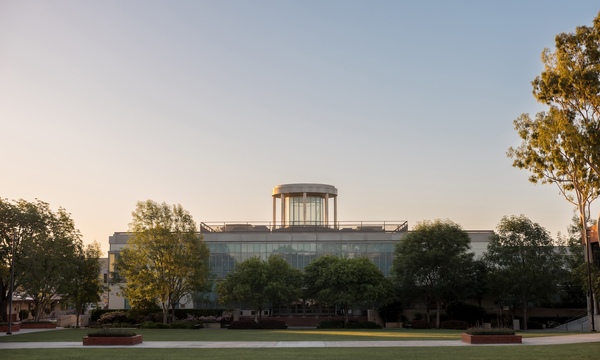
Walking into the Singapore Sports Hub for the first time, I remember feeling genuinely impressed by the sheer scale of it all. It’s not just a stadium—it’s a
Singapore Sports Hub: Your Ultimate Guide to Facilities, Events and Booking Tips
Walking into the Singapore Sports Hub for the first time, I remember feeling genuinely impressed by the sheer scale of it all. It’s not just a stadium—it’s a